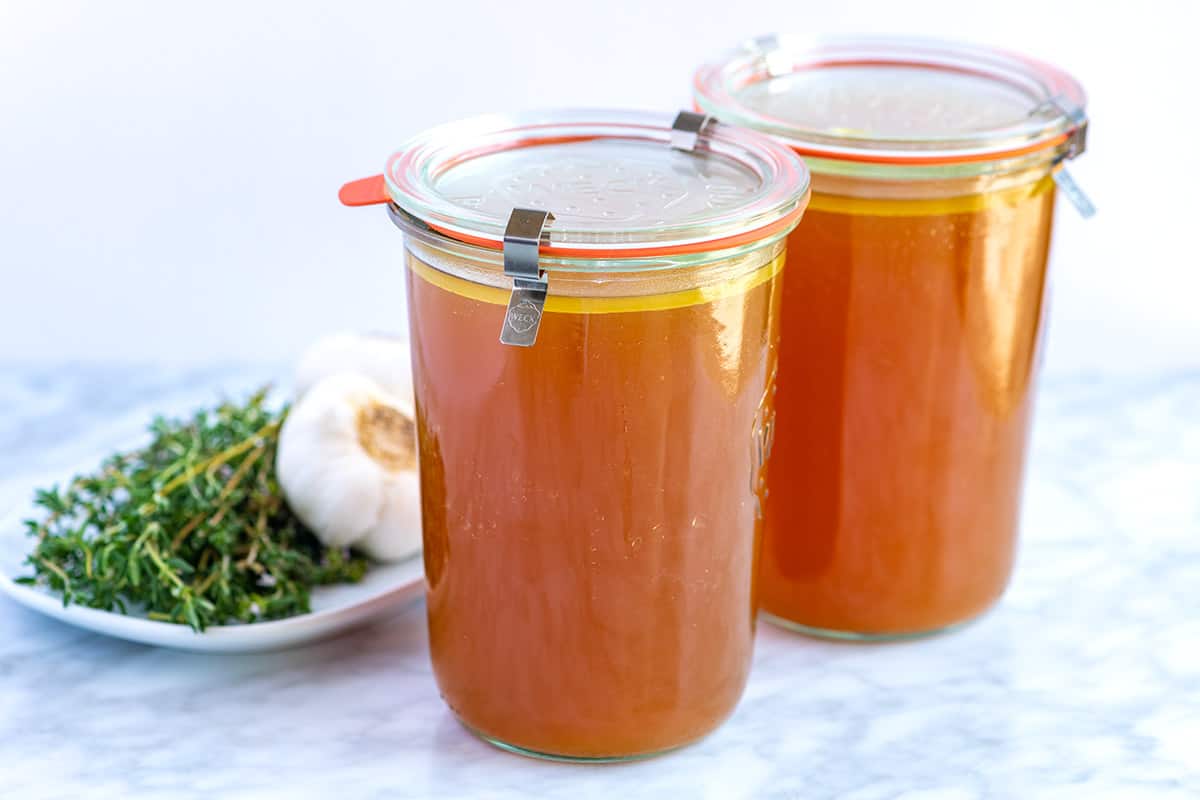
Mastering Homemade Chicken & Turkey Stock for Unbeatable Flavor
There’s a secret ingredient that elevates everyday cooking to gourmet heights, transforming simple dishes into unforgettable culinary experiences. It's not a rare spice or an exotic oil, but something far more fundamental and often overlooked: homemade chicken or turkey stock. While store-bought broths offer convenience, they simply can't compare to the depth of flavor, richness, and nutritional benefits that come from a lovingly crafted batch made right in your own kitchen.
The thought of making stock from scratch might seem daunting, conjuring images of elaborate culinary feats. However, the truth is far simpler, and arguably, one of the most rewarding kitchen tasks you can undertake. This article will guide you through how to make homemade chicken or turkey stock, turning what might typically be discarded into a versatile foundation for countless delicious meals, from hearty soups and creamy risottos to rich gravies and flavorful sauces.
One of the beauties of making your own stock is its inherent efficiency. It often begins as a natural extension of another meal – a perfectly roasted chicken or a festive holiday turkey. This not only minimizes food waste but also transforms humble leftovers into culinary gold. Indeed, as we explored in Don't Waste Leftovers! Craft Rich Chicken & Turkey Stock From Scratch, the journey from dinner to stock is a testament to resourceful cooking.
The Foundation: From Roast to Richness
Every exceptional stock begins with an excellent base, and for chicken or turkey stock, that base is the carcass of a freshly roasted bird. The bones, cartilage, and any remaining bits of meat are packed with collagen and flavor compounds that release into the water during a slow simmer, creating a gelatinous, full-bodied liquid. If you're tackling turkey stock, remember that a turkey is typically three times larger than a chicken, so you'll need a significantly larger stockpot and more accompanying ingredients to match.
Preparing Your Roast for Stock
- Strip the Meat: After enjoying your roasted chicken or turkey, carefully remove any substantial pieces of leftover meat from the bones. While it might seem counterintuitive to remove perfectly good meat, leaving it to simmer for hours in the stock will render it dry, stringy, and unpalatable. This valuable leftover meat is best reserved for adding to your finished soup or other dishes.
- Collect the Drippings: Don't discard those precious pan drippings! The savory juices and caramelized bits left in the roasting pan are concentrated flavor bombs. Scrape them into your stockpot along with the bones and carcass. They add an extra layer of richness and umami that will make your stock truly shine.
- Break Down the Carcass: If necessary, break the chicken or turkey carcass into smaller pieces to ensure it fits comfortably in your largest stockpot. This also exposes more surface area, allowing more flavor to be extracted.
The Art of the Mirepoix and Gentle Simmer
Beyond the roasted bones, the soul of a great stock lies in its aromatics. This is where the classic French mirepoix comes into play – a simple yet powerful combination of onions, carrots, and celery. Mastering the ratio for mirepoix is key to consistency and balanced flavor: it’s always two parts onion to one part carrot and one part celery. Once you internalize this ratio, you'll never need to measure again, making the process even more intuitive.
Assembling Your Stockpot
- Layer the Ingredients: Place the leftover chicken or turkey carcass and any pan drippings at the bottom of your large stockpot.
- Add the Mirepoix: Top the bones with your roughly chopped onions, carrots, and celery. Don't worry about perfect knife cuts; these vegetables are purely for flavor and will be strained out later.
- Introduce Aromatics: Add a couple of bay leaves. For an extra layer of complexity, you might consider a few peppercorns or a sprig of fresh thyme or parsley, though these are optional.
- Cover with Water: Fill the stockpot with cold water, ensuring all ingredients are fully submerged.
The Simmering Process
This is where the magic truly happens, but patience and a watchful eye are crucial for achieving a clear, flavorful stock.
- Initial Boil and Skimming (Tip 1): Place your stockpot over high heat and bring it to a rolling boil. As the water heats, you'll notice a greyish foam rising to the surface. This foam consists of impurities and coagulated proteins. It's essential to skim this off with a ladle or spoon. Skimming helps to keep your stock beautifully clear and golden, preventing it from becoming cloudy.
- Lower Heat to a Gentle Simmer (Tip 2): Immediately after skimming, reduce the heat to low. The stock should maintain a very gentle simmer, with just a few bubbles breaking the surface, not a vigorous boil. A hard boil will agitate the ingredients too much, emulsifying fats and impurities back into the liquid, which results in a cloudy stock with a less refined flavor. A gentle simmer ensures a slow, steady extraction of flavors and collagen.
- Simmer Duration: Allow your chicken stock to gently simmer for at least 3-4 hours, or turkey stock for 4-6 hours, potentially even longer for a richer flavor. The liquid should reduce by approximately half, concentrating its essence.
Achieving Clarity, Maximizing Flavor, and Smart Storage
Once your stock has simmered to perfection, the final steps are critical for both quality and safe storage. The goal is a clean, flavorful liquid that’s ready to be used or preserved.
Straining Your Stock
Carefully remove the stockpot from the heat. Before straining, allow it to cool slightly, making it safer to handle. Position a large fine-mesh sieve or colander over a heatproof bowl or another clean pot. You might even line the sieve with cheesecloth for an extra-clear result. Slowly and carefully pour the entire contents of the stockpot through the strainer. Discard all the solids – the bones, vegetables, and aromatics have given their all.
A Crucial Word of Caution: This might sound obvious, but in the midst of a busy kitchen, distractions happen. Always, always ensure you have a large, empty bowl or pot placed securely under your strainer before you start pouring. There's nothing more frustrating than watching hours of effort disappear down the drain!
Chilling and Fat Separation
Once strained, your stock needs to be chilled rapidly. If you're not using it immediately, transfer it to smaller containers or spread it out in shallow dishes to help it cool down quickly. Once cooled to room temperature, refrigerate it until it’s thoroughly chilled. As it cools, any remaining fat will rise to the surface and solidify, forming a cap. You can easily skim this solid fat off before using or storing your stock further. While some fat adds flavor, removing the majority of it often results in a cleaner-tasting stock and is particularly beneficial if you plan to freeze it for longer periods.
Storage Solutions
Homemade stock is a perishable item, so proper storage is key to enjoying your hard work later:
- Refrigeration: Freshly made and chilled stock can be safely stored in airtight containers in the refrigerator for up to 3-4 days.
- Freezing: For longer-term storage, freezing is your best friend. Ladle the cooled stock into freezer-safe containers, leaving a little headspace for expansion. Ice cube trays are fantastic for freezing smaller portions, perfect for adding a burst of flavor to pan sauces or sautéed vegetables. Once frozen solid, pop the stock cubes out and transfer them to a freezer bag for convenient storage. Frozen stock will keep beautifully for 3-6 months.
Slow Cooker vs. Stovetop: Convenience Meets Tradition
When deciding how to make homemade chicken or turkey stock, you have two primary methods: the traditional stovetop simmer or the hands-off convenience of a slow cooker. Each has its merits.
- Stovetop: Many culinary purists argue that a stovetop simmer, with its gentle heat and watchful eye, yields a stock with slightly superior flavor and clarity. You have more control over the heat, ensuring that delicate simmer that prevents cloudiness.
- Slow Cooker: For busy individuals, the slow cooker is an absolute game-changer. It's largely hands-off, allowing you to set it and forget it for several hours. While the flavor might be marginally different from a stovetop version, the convenience often outweighs this subtle distinction. A whole roast chicken carcass fits perfectly into most average-sized slow cookers. However, for a large turkey carcass, finding a slow cooker big enough can be a challenge. In such cases, the stovetop usually becomes the more practical option.
For a deeper dive into these methods and to decide which is best for your culinary style, check out our guide on Easy Homemade Stock: Stove or Slow Cooker? Tips for Perfect Broth.
Conclusion
Making homemade chicken or turkey stock is an incredibly rewarding culinary endeavor that brings unparalleled depth and richness to your cooking. It's a simple process that transforms humble leftovers into a liquid gold, a foundational ingredient that will elevate everything from your everyday weeknight meals to special occasion dishes. By following these steps – from preparing your roasted bird and mastering the mirepoix to executing a gentle simmer and proper storage – you'll unlock a world of unbeatable flavor. So, next time you roast a chicken or turkey, remember that the true culinary journey is just beginning. Embrace the art of stock-making, and prepare to taste the difference!
