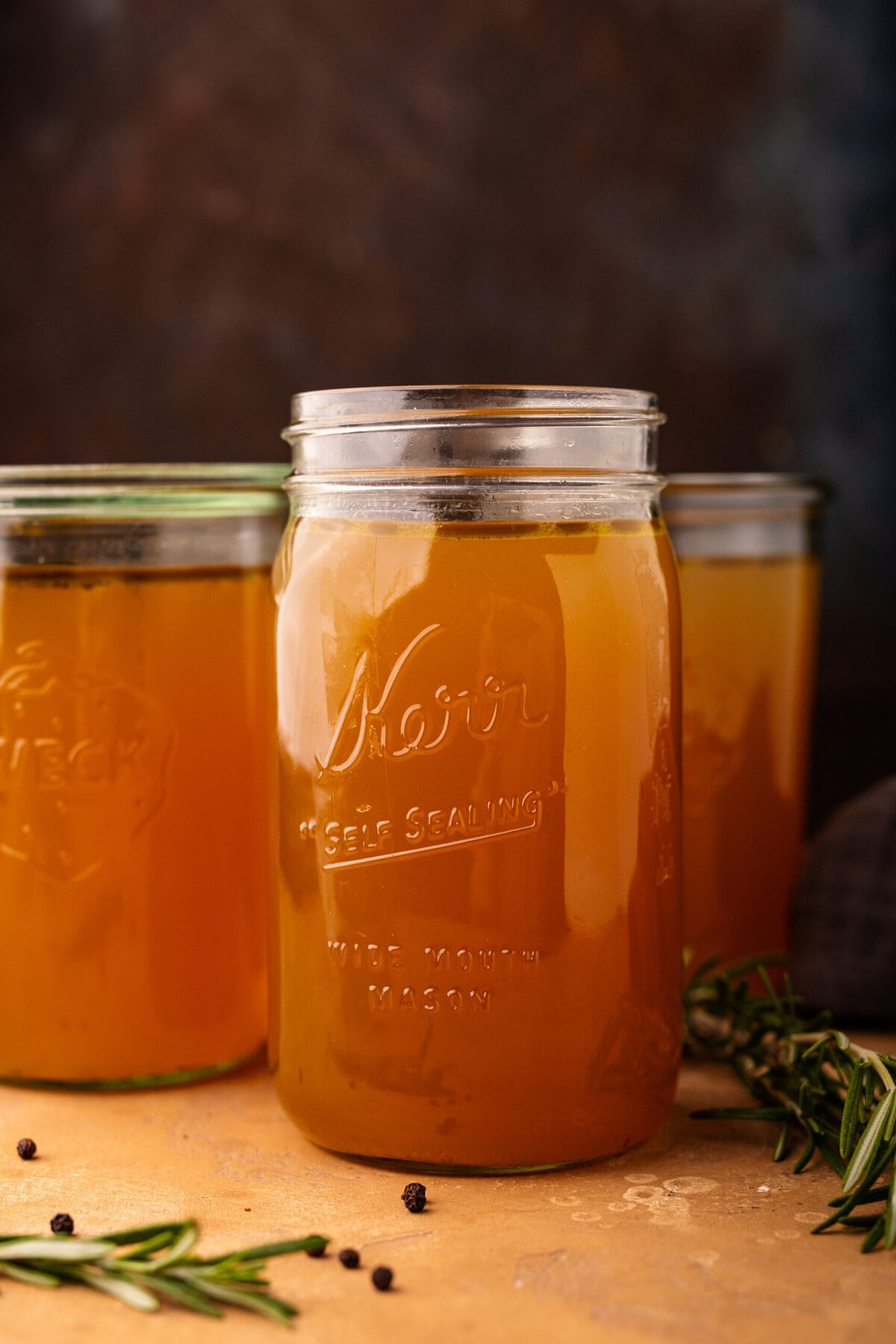
Don't Waste Leftovers! Craft Rich Chicken & Turkey Stock From Scratch
There's a unique satisfaction that comes from creating something truly delicious from scratch, especially when it transforms what might otherwise be waste into a culinary treasure. Imagine a rich, deeply flavored soup, a creamy risotto, or a velvety pan sauce that sings with an intensity store-bought broths can only dream of. The secret? Homemade chicken or turkey stock. Many believe this kitchen magic is reserved for seasoned chefs, but we're here to show you exactly
how to make homemade chicken or turkey stock that will elevate your cooking to new heights, all while making the most of your dinner leftovers.
Beyond the unparalleled flavor, crafting your own stock is a rewarding process that's far simpler than you might expect. It's cost-effective, reduces food waste, and gives you complete control over the ingredients, meaning no excessive sodium, artificial flavors, or preservatives. Whether you've just enjoyed a festive turkey dinner or a simple Sunday roast chicken, those leftover bones, scraps, and even pan drippings are the foundation for something truly extraordinary.
The Essential Ingredients for Unforgettable Stock
The journey to an incredible stock begins the moment your roasted chicken or turkey dinner concludes. Instead of tossing that carcass, see it as the star ingredient for your next culinary adventure.
*
The Leftovers: This is where the magic starts. After enjoying your perfectly roasted chicken or turkey, carefully strip all the remaining meat from the bones and set it aside for future use (like adding to your finished soup). Don't worry about getting every tiny bit of meat off; what's left will add flavor to your stock. Crucially, don't discard any pan drippings! These flavorful juices and rendered fat are packed with concentrated roasted notes and should absolutely be added to your stockpot.
*
The Mirepoix: This classic aromatic base is non-negotiable for a truly flavorful stock. A mirepoix consists of a specific ratio:
two parts onion, one part carrot, and one part celery. Get used to this proportion, and you'll never have to measure again! These humble vegetables provide a foundational sweetness and savory depth that is essential.
*
Aromatics and Seasoning: While the bones and vegetables do most of the heavy lifting, a few simple additions amplify the flavor profile. Bay leaves are a must, imparting a subtle, herbal note. You might also consider a few whole black peppercorns, a sprig or two of fresh thyme, or even some parsley stems (removed from the leaves you might use for another dish). Avoid adding salt at this stage, as the stock will reduce, concentrating its flavor. You can always season your final dish later.
*
Water: Simple tap water is perfectly fine, but filtered water can sometimes make a subtle difference, especially if your tap water has a strong mineral taste. Ensure you have enough to cover all your ingredients generously in a large stockpot.
For those planning to make turkey stock, remember that a turkey is significantly larger than a chicken. You'll likely need a much larger stockpot and possibly triple the amount of mirepoix and aromatics compared to a chicken stock recipe. While slow cookers are fantastic for chicken stock (we'll touch on that soon), a turkey carcass often proves too large for an average crockpot. For more detailed insights on maximizing flavor for both, check out our guide on
Mastering Homemade Chicken & Turkey Stock for Unbeatable Flavor.
Your Step-by-Step Guide to Making Homemade Stock
Crafting homemade stock is less about precise measurements and more about gentle simmering and patience. Here’s how you’ll transform those humble ingredients into liquid gold:
1.
Prepare Your Ingredients: Roughly chop your onions, carrots, and celery. Don't worry about peeling the onions; the skin adds color to the finished stock. Gather your chicken or turkey carcass, pan drippings, and aromatics.
2.
Build Your Pot: Place the leftover chicken or turkey bones and any reserved pan drippings at the bottom of a large stockpot. Layer your chopped mirepoix (onions, carrots, celery) on top, followed by your bay leaves and any other chosen aromatics like peppercorns or fresh thyme.
3.
Add Water: Pour cold water over all the ingredients until everything is fully submerged, usually covering by about an inch or two. Starting with cold water helps to slowly extract impurities and flavor more effectively.
4.
Bring to a Gentle Boil, Then Skim: Place the pot over high heat and bring it to a boil. As it heats, a grayish foam will rise to the surface. This foam consists of impurities and proteins.
Tip: Skim this foam off with a ladle or a fine-mesh sieve. Removing it will help ensure your finished stock is beautifully clear and golden, rather than cloudy.
5.
Reduce to a Simmer: As soon as the stock reaches a rolling boil, immediately reduce the heat to the lowest setting. The goal is a very gentle simmer, where only small bubbles occasionally break the surface.
Crucial Tip: Avoid a hard boil at all costs! Aggressive boiling emulsifies fats and breaks down solids, resulting in a cloudy stock with a less refined flavor. A gentle simmer extracts flavor slowly and cleanly.
6.
Simmer for Hours: Let your stock simmer for at least 3-4 hours, or even longer (up to 8-12 hours for richer flavor, especially with turkey). The longer it simmers gently, the more flavor and beneficial collagen will be extracted from the bones. The liquid should reduce by roughly half, concentrating the flavors beautifully.
For those seeking convenience, the slow cooker is an excellent alternative for chicken stock. Simply combine all your ingredients in the crockpot and cook on low for 6-8 hours, or high for 3-4 hours. While some argue a stovetop simmer yields a slightly superior flavor due to more aggressive reduction, the hands-off approach of a slow cooker is undeniably appealing. For more on this, check out
Easy Homemade Stock: Stove or Slow Cooker? Tips for Perfect Broth.
Straining, Storing, and Savoring Your Homemade Stock
Once your stock has simmered to perfection, the final steps ensure it's ready for culinary action and safely stored.
1.
The Great Strain: Carefully remove the stockpot from the heat. Place a large colander or fine-mesh sieve over an even larger bowl or another clean pot. Slowly and carefully pour the entire contents of the stockpot through the strainer.
A Word of Caution: As the reference wisely notes, don't get distracted! Ensure your catch-bowl is directly beneath the strainer to avoid pouring your precious stock straight down the drain. For extra clarity, line your strainer with a few layers of cheesecloth. Discard all the solids – they've given up all their goodness.
2.
Cooling Down: Rapidly cool your stock. You can do this by placing the pot of hot stock into a sink filled with ice water, stirring occasionally. This quick cooling is important for food safety.
3.
Defatting (Optional but Recommended): Once the stock has cooled to room temperature, transfer it to containers and refrigerate it. As it chills, any residual fat will rise to the top and solidify, forming a cap. This makes it incredibly easy to scrape off the solidified fat with a spoon before reheating. While a little fat adds flavor, removing the excess results in a cleaner-tasting, less greasy stock, and can be healthier too.
4.
Storage Solutions:
*
Refrigeration: Homemade stock will keep well in the refrigerator for 3-4 days.
*
Freezing: For longer storage, freezing is your best friend. Pour the cooled stock into various-sized freezer-safe containers. Consider freezing some in ice cube trays for small portions (perfect for deglazing a pan or adding a splash of flavor). Once frozen solid, pop the cubes out and store them in freezer bags. You can also freeze stock in larger pint or quart containers, leaving an inch of headspace for expansion. Frozen stock can last for up to 6 months.
Having small, pre-portioned containers of homemade stock in your freezer is like having a secret weapon in your kitchen arsenal, always ready to elevate your next meal.
Culinary Applications: Maximizing Your Homemade Stock
With your beautiful, rich homemade chicken or turkey stock now at hand, a world of culinary possibilities opens up. The depth of flavor it brings is simply unparalleled by anything store-bought, transforming even simple dishes into gourmet experiences.
*
Soups and Stews: This is the most obvious, yet most satisfying use. From a comforting classic chicken noodle soup to a hearty vegetable stew or a robust French onion soup, your homemade stock will be the heart and soul, providing a savory foundation that generic broths can't match.
*
Grains and Legumes: Use stock instead of water when cooking rice, quinoa, couscous, or lentils. Each grain will absorb that incredible flavor, turning a simple side dish into a flavorful accompaniment. Imagine a turmeric-infused rice cooked in homemade turkey stock!
*
Risotto: As hinted in the reference context, a creamy, luscious risotto truly shines when made with homemade stock. The slow addition of warm, flavorful liquid gradually plumps the rice grains, creating an unmatched texture and depth of taste.
*
Pan Sauces and Gravy: After searing meat, deglaze the pan with a splash of your homemade stock. Reduce it slightly, whisk in a knob of butter, and you have an instant, incredibly flavorful sauce. This is also the secret to truly outstanding gravies, especially with leftover turkey stock for your holiday meals.
*
Braising Liquids: When braising meats like short ribs, chicken thighs, or pot roast, using homemade stock as your liquid will infuse the meat with profound flavor as it slowly tenderizes.
*
Drinking It Straight: Don't underestimate the simple pleasure of sipping a warm mug of homemade stock. It's incredibly nourishing, soothing, and a wonderfully savory pick-me-up, especially during colder months or when feeling under the weather.
The versatility of homemade stock is immense. Every time you reach for it, you're not just adding liquid; you're adding layers of carefully crafted flavor, born from a commitment to reducing waste and enhancing your cooking.
Making homemade chicken or turkey stock is a fundamental kitchen skill that pays dividends in flavor, nutrition, and satisfaction. It's a simple act of culinary alchemy, transforming humble leftovers into a powerful ingredient that will redefine your cooking. From the rich aroma that fills your kitchen during simmering to the incredible depth it lends your favorite dishes, you'll wonder why you ever settled for store-bought. So next time you finish a roast, embrace the opportunity to craft your own liquid gold – your taste buds will thank you!