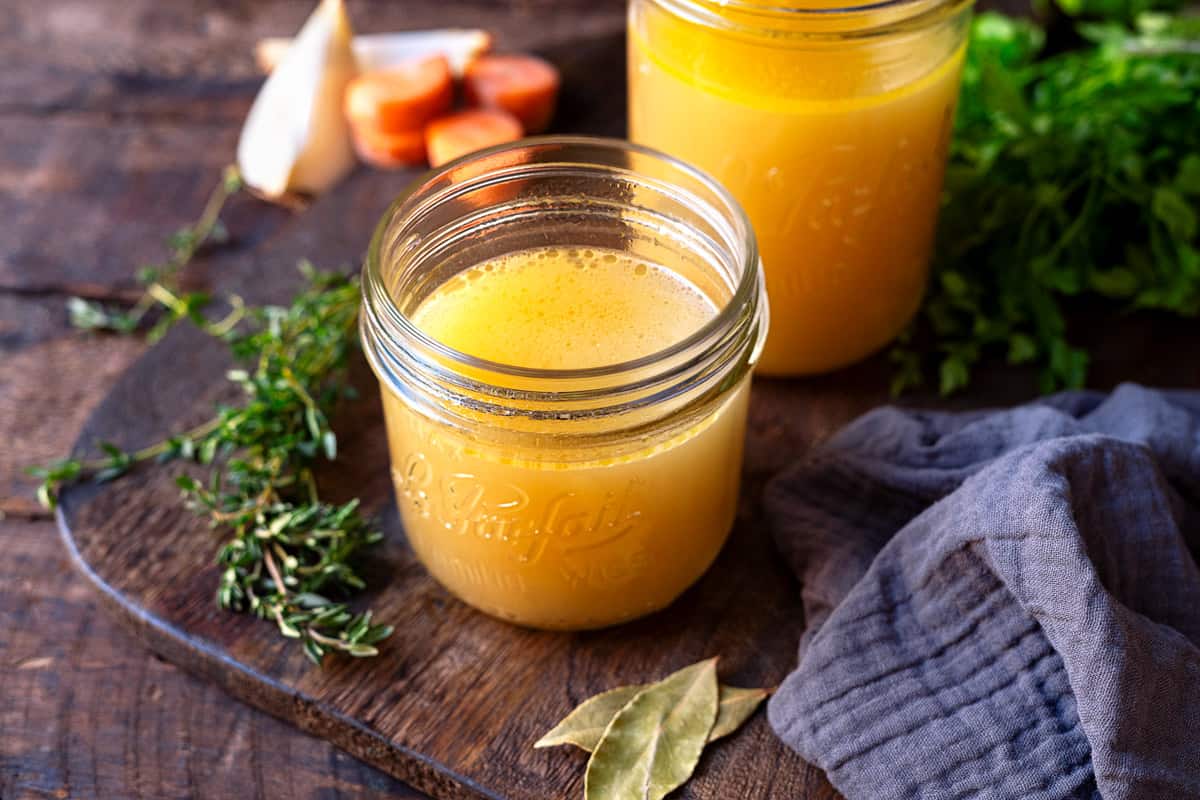
Unlock Unbeatable Flavor: Easy Homemade Stock for Stove or Slow Cooker
Imagine a soup so rich, a risotto so creamy, or a gravy so deeply flavorful that it elevates every bite into a culinary experience. The secret to this gastronomic magic isn't a pricey ingredient or a complex technique, but rather a simple, foundational element: homemade stock. Far surpassing anything you can buy in a carton, preparing your own chicken or turkey stock adds an unparalleled depth of flavor that transforms ordinary dishes into extraordinary meals. And the best part? It’s far easier than you might think, whether you prefer the traditional simmer of a stove-top or the hands-off convenience of a slow cooker. Let's dive into how to make homemade chicken or turkey stock that will become your kitchen's best-kept secret.
The Essential Foundation: What You Need to Get Started
Every great stock begins with great bones. For many home cooks, this journey starts after a delicious meal, specifically with the remnants of a perfectly roasted chicken or a festive turkey. Instead of discarding those flavorful bones, you're setting the stage for something truly special.
When preparing your poultry for stock, here are a few key considerations:
*
Leftover Meat: If there’s any extra meat clinging to the bones, gently remove it and set it aside. While tempting to leave it on, simmering meat for hours will render it dry, stringy, and tasteless – far from ideal for adding to your finished soup or other dishes.
*
Pan Drippings: Don't let those precious pan drippings go to waste! The caramelized bits and rendered fat at the bottom of your roasting pan are packed with concentrated flavor. Scrape them into your stockpot or slow cooker along with the bones for an extra layer of richness.
*
Chicken vs. Turkey: While the process for making chicken and turkey stock is largely the same, keep in mind the significant size difference. An average turkey can be three times the size of a chicken, meaning you'll need a much larger vessel, more vegetables, and more water. This is particularly relevant if you're considering the slow cooker method, as finding a crockpot large enough for a whole turkey carcass can be a challenge. Chicken carcasses, however, fit perfectly into most standard slow cookers.
*
The Mirepoix Magic: At the heart of most savory stocks lies a classic French aromatic base known as mirepoix. This simple yet powerful combination consists of:
* 2 parts onion
* 1 part carrot
* 1 part celery
Chopped roughly, these vegetables infuse the stock with a balanced, earthy sweetness without overpowering the poultry flavor. Once you commit this ratio to memory, you’ll never need to measure again!
Gather your leftover chicken or turkey bones (including the back, neck, and any wing tips), your mirepoix, and you're ready to begin crafting your perfect broth.
Method 1: The Art of the Stove-Top Simmer
For many culinary enthusiasts, the stove-top method is the gold standard for homemade stock. It offers a slightly more robust flavor profile and often results in a clearer, more deeply colored broth, thanks to the controlled simmering process.
Here’s how to make homemade chicken or turkey stock on the stove:
1.
Assemble Ingredients: Place your leftover chicken or turkey bones, along with any precious pan drippings, into the bottom of a large stockpot. Top with your roughly chopped mirepoix (onions, carrots, celery). Add a couple of bay leaves for an aromatic touch.
2.
Add Water: Fill the pot with cold water, ensuring the bones and vegetables are fully submerged by at least an inch or two. Using cold water is crucial as it slowly extracts impurities and collagen from the bones, leading to a richer, more flavorful stock.
3.
Initial Boil & Skimming: Place the pot over high heat and bring it to a boil. As the water heats up, you'll notice grayish foam and impurities rising to the surface. This is critical: using a ladle or fine-mesh skimmer, carefully skim off and discard this foam. This step is essential for achieving a clear, golden stock and preventing a cloudy, unappealing end product.
4.
Gentle Simmer: As soon as the stock comes to a rolling boil and you've skimmed off the foam, immediately reduce the heat to the lowest setting. The goal is a gentle simmer – just a few bubbles breaking the surface, not a vigorous boil. A hard boil will emulsify fats and impurities back into the liquid, making your stock cloudy and potentially imparting an off-flavor.
5.
Simmer Time: Allow the stock to simmer gently for at least 3-4 hours for chicken, and up to 6-8 hours for turkey, or even longer if you desire a deeper flavor and greater reduction. The longer it simmers at a low temperature, the more flavor and gelatin will be extracted from the bones. You’ll notice the liquid reducing by about half, concentrating those wonderful flavors.
This traditional method demands a bit more attention initially, but the reward is a truly exceptional, deeply flavored stock. For more in-depth strategies to perfect your stock, you might find
Mastering Homemade Chicken & Turkey Stock for Unbeatable Flavor an insightful read.
Method 2: The Convenient Slow Cooker Approach
If your schedule doesn't permit hours of monitoring a stockpot, the slow cooker is your best friend. While some argue the stove-top yields a slightly superior flavor, the slow cooker provides an incredibly convenient, hands-off alternative that still produces a fantastic, richly flavored stock.
Here’s how to make homemade chicken or turkey stock in a slow cooker:
1.
Load it Up: Place your chicken carcass (remember, a turkey might be too large for most slow cookers), pan drippings, chopped mirepoix, and bay leaves into your slow cooker.
2.
Add Water: Fill the slow cooker with cold water, ensuring all ingredients are submerged. Leave about an inch or two of headspace from the rim to prevent overflow during simmering.
3.
Set and Forget: Cover the slow cooker and set it to the LOW setting. Allow it to cook for 8-12 hours, or even overnight. The extended, low-temperature cooking gently coaxes out all the flavor and gelatin from the bones.
4.
No Skimming Needed: A significant advantage of the slow cooker method is that it generally doesn't require the initial skimming. The low, consistent heat minimizes the amount of foamy impurities that rise to the surface, and what does appear often dissipates back into the liquid without clouding the final product significantly.
The slow cooker method is perfect for busy weeknights or for letting your stock simmer while you sleep. The convenience makes it an invaluable tool for ensuring you always have delicious homemade stock on hand.
Finishing Touches and Storage
Regardless of whether you used the stove or slow cooker, the next steps are crucial for preparing your stock for use or storage.
1.
Strain with Care: Once your stock has finished simmering and has reduced to your desired concentration, it's time to strain it. Place a fine-mesh sieve or colander lined with cheesecloth over a large, heat-proof bowl or second pot. Carefully pour the entire contents of your stockpot or slow cooker through the strainer.
* **Crucial Tip:** This might sound obvious, but it bears repeating: ensure the bowl is securely placed *under* the strainer! Many a distracted cook (myself included!) has accidentally poured their golden stock directly down the drain. Double-check before you pour!
* Discard the solids – the bones, spent vegetables, and bay leaves have given all they can.
2.
Chill and Defat: Allow the strained stock to cool slightly at room temperature, then transfer it to the refrigerator. Once thoroughly chilled (preferably overnight), any remaining fat will solidify on the surface, making it easy to skim off with a spoon. This "defatting" step is optional but results in a healthier, clearer stock, especially if you plan to freeze it.
3.
Storage:
*
Refrigeration: Homemade stock will keep safely in the refrigerator for up to 3-4 days.
*
Freezing: For longer storage, freeze your stock. Portion it into freezer-safe containers, zip-top bags (laid flat for easy stacking), or even ice cube trays for small, individual servings. Frozen stock can last for 6 months to a year without significant loss of quality.
Beyond the Basics: Tips for the Perfect Broth
To truly master the art of homemade stock and create a perfect broth every time, consider these additional tips:
*
Don't Waste Leftovers: Beyond just the bones, think about other vegetable scraps you can add. Onion skins (for color), parsley stems, and even mushroom stems can contribute flavor. This is a fantastic way to utilize what might otherwise go to waste, as highlighted in
Don't Waste Leftovers! Craft Rich Chicken & Turkey Stock From Scratch.
*
Additional Aromatics: Feel free to experiment with other aromatics. A few black peppercorns, a sprig of fresh thyme or rosemary (added in the last hour to prevent bitterness), or even a slice of ginger can add interesting nuances.
*
Roast Bones First (If Not From a Roast): If you’re not starting with bones from a roasted chicken or turkey, consider roasting raw bones in the oven at 400°F (200°C) for 30-45 minutes until deeply golden brown. This step caramelizes the bones, adding immense depth and color to your stock.
*
A Touch of Acid: Some cooks swear by adding a tablespoon of apple cider vinegar at the beginning. The acidity is believed to help extract more minerals and collagen from the bones, resulting in a more nutritious and gelatinous stock.
*
Taste and Adjust: Before straining, taste your stock. It should be savory and rich, but not overly salty (as you haven't added salt yet). If it feels weak, simmer it for a little longer to reduce and concentrate the flavors further.
Homemade stock is a true kitchen hero, providing a foundation for countless delicious meals. It’s an investment of time that pays dividends in flavor, nutrition, and culinary satisfaction.
In conclusion, embarking on the journey of how to make homemade chicken or turkey stock is a rewarding endeavor that elevates your cooking to new heights. Whether you choose the traditional, robust flavor of the stove-top method or the unparalleled convenience of the slow cooker, you'll be rewarded with a rich, flavorful foundation for all your culinary creations. Don't be intimidated; with a few simple steps and the tips outlined here, you'll be simmering your way to perfect broth in no time, forever changing the way you cook and eat.